Must Visit Ramayana Related Places in Sri Lanka
Sacred journey through the island of Sri Lanka where the ancient echoes of the Hindu epic, The Ramayana, come to life. More than just a tropical paradise, Sri Lanka holds a deep spiritual connection to this timeless tale of love, devotion, and courage.
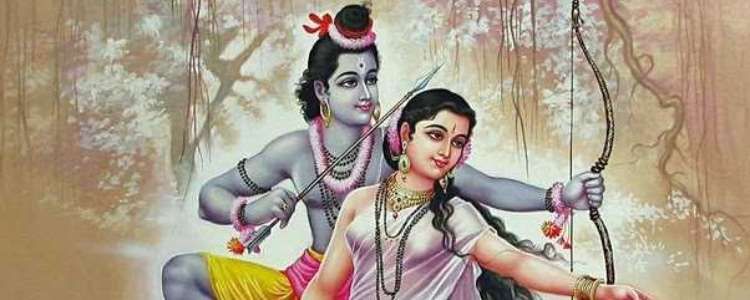
You can travel along the legendary Ramayana trail in Sri Lanka, tracing the epic's most pivotal moments, from the captivity of Princess Sita to the great war fought by Lord Rama. Discover ancient temples, mystical caves, and breath-taking landscapes that stand as living testaments to this cherished legend. Whether you are a devout pilgrim or a curious traveller, prepare to step into a story thousands of years in the making and uncover the must visit Ramayana sites of Sri Lanka.
While over 50 locations were identified having connection to Ramyanam trail in Sri Lanka of which close to 25 sites are having road and semi-road access for pilgrims and tourists to visit. Following lists describes the most important and easily accessible Ramayana related places in Sri Lanka which you may cover in 6 – 8 days Ramayana tour in Sri Lanka.
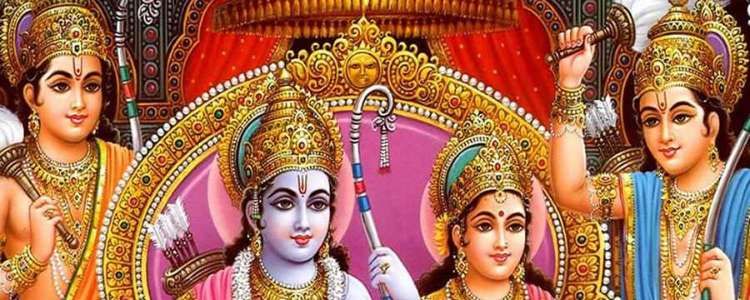
List of 12 important and must visit Ramayana Sites of Sri Lanka
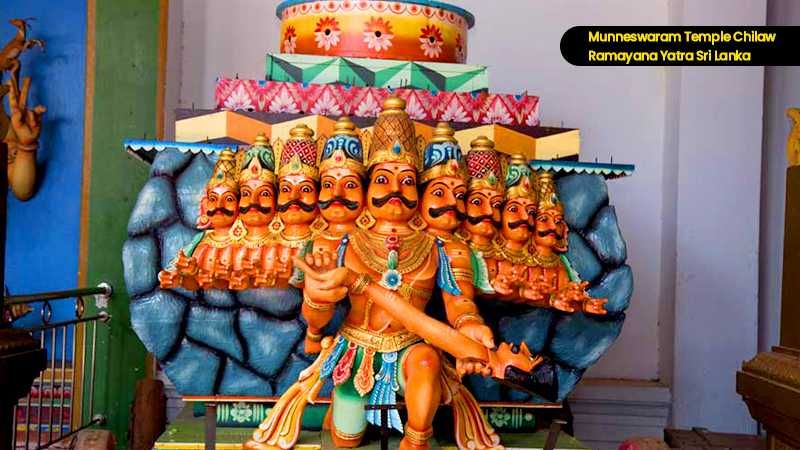
- Munneshwaram Temple – Chilaw
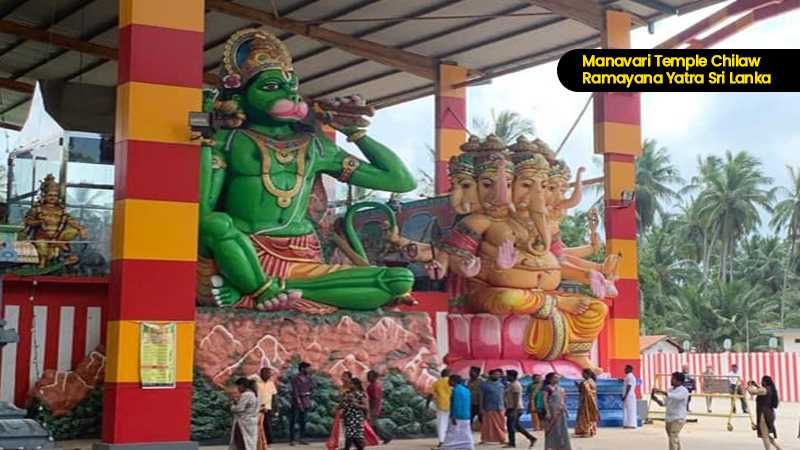
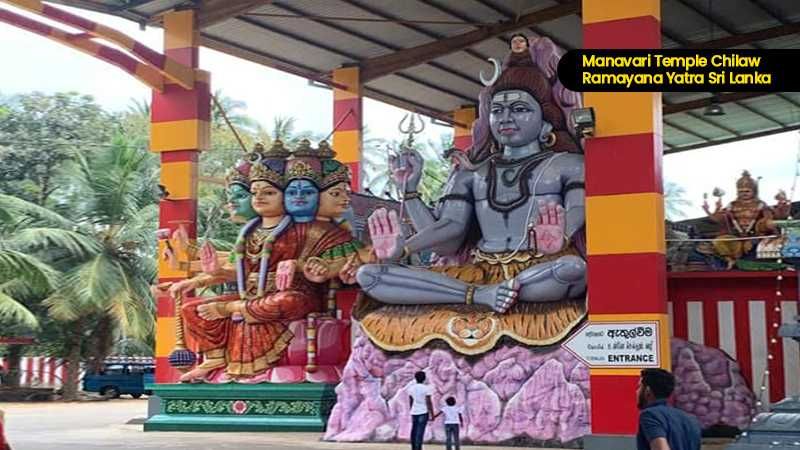
- Manavari Temple – Chilaw
- Thiru Koneswaram Temple – Trincomalee
- Shri Bhaktha Hanuman Temple – Ramboda, Nuwara Eliya
- Sita Amman Temple & Ashoka Vatika – Nuwara Eliya
- Gayathri Peedam – Nuwara Eliya
- Divrumpola Buddhist Temple – Nuwara Eliya – Ella road (Agni Pariksha Temple)
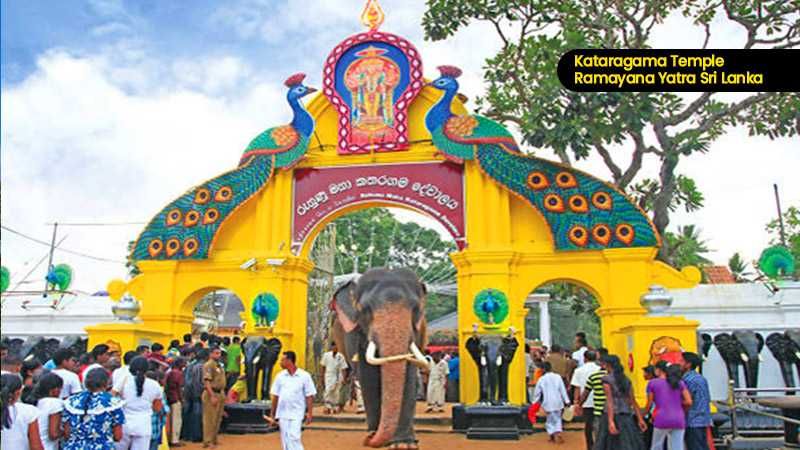
- Kataragama Temple – Kataragama
- Ussangoda Ramayana Site – Hambantota – Galle Road
- Rummassala Sanjeevani Drops – Galle
- Kelaniya Buddhist Temple – Colombo
- Panchamuga Anjaneyar Temple – Colombo
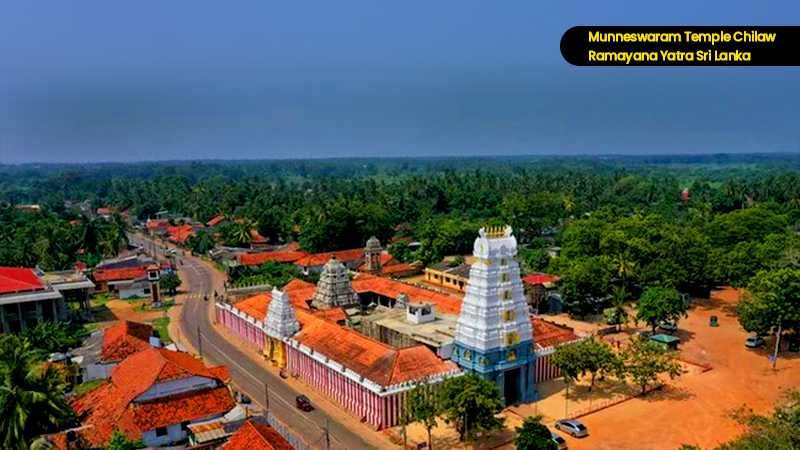
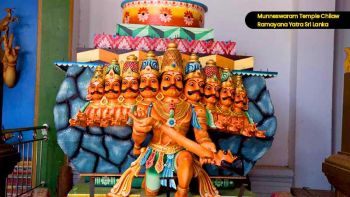
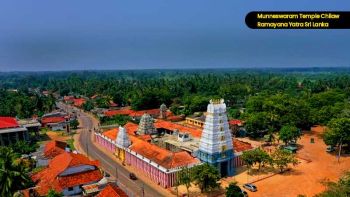
Munneshwarama Hindu Temple - Chilaw
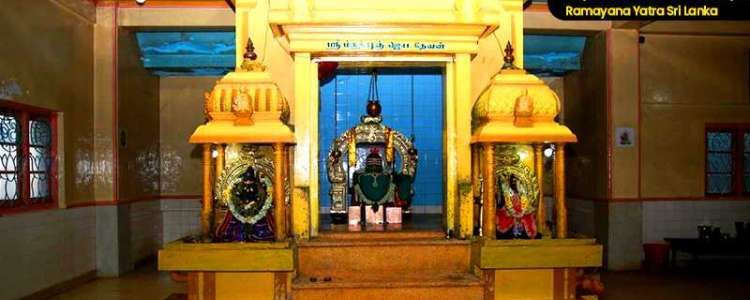
in Sri Lanka located in Chilaw. This regional Hindu temple complex has been in existence at least since 1000 CE as myths surrounded with the temple associate with the Indian epic Ramayana. According to the Ramayana Yatra Sri Lkovil Hindu Ishwara Pancha Hindu Temple is one of the Munneswaram
Munneswaram Hindu Temple - Chilaw
anka, this temple is located at the place where the King Rama prayed to God Shiva after committing the worst crime named as Brahmahasti. One of important Ramayana sites in Sri Lanka.
- Location – Chilaw of Puttalam District
- Nearest city – Negombo (45 KM 1 Hr drive)
- Open – 365 days
- Is this place included in Ramayana Tour packages in Sri Lanka? – Yes
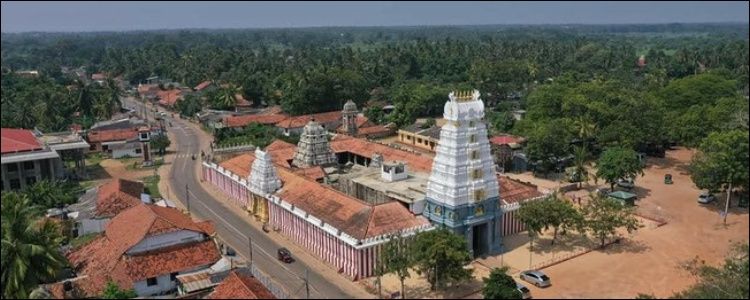
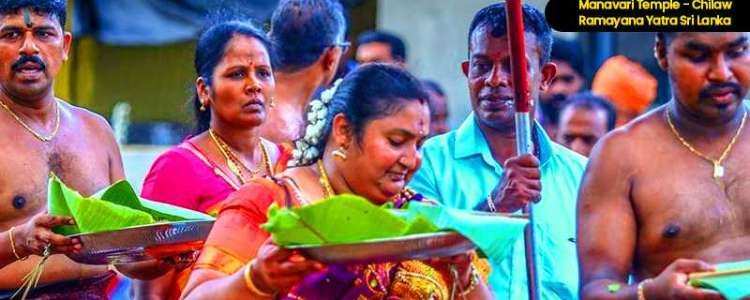
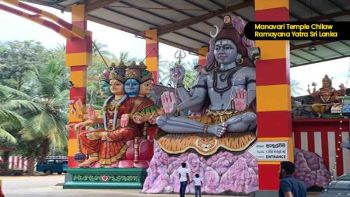
Manavari Hindu Temple - Chilaw
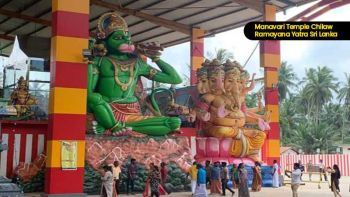
Manavari Hindu Temple located in Chilaw, Puttalam District. There is a direct link between this Manavari Temple and the Ramayana Yatra Sri Lanka. According to the Ramayana story Sri Lanka proofs, Manavari is the first place where the lord Rama installed and prayed the Shiva lingam after the end of the war with king Ravana to liberate Sita.
- Location – Chilaw of Puttalam District
- Nearest city – Negombo (47 KM 1 Hr drive)
- Open – 365 days
- Is this place included in Ramayana Tour packages in Sri Lanka? – Yes
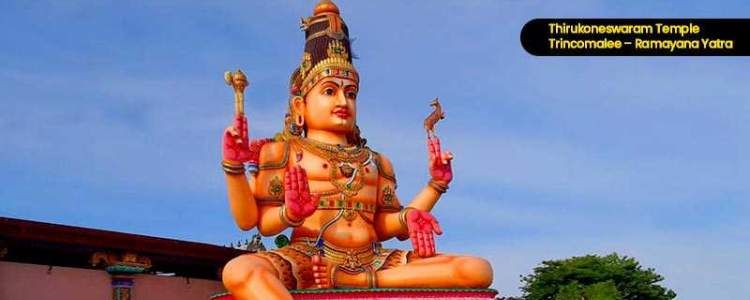
Thirukoneswaram Hindu Temple - Trincomalee
Thiru Koneswaram temple is a classical medieval period Hindu temple complex located in Trincomalee the Eastern Capital of Sri Lanka. This is the place where King Ravana did his penance to Lord Shiva and also lord Rama installed Shiva Lingam to get rid of Brahma Hatya Dosham after the mega battle to escape Goddess Sita Devi. This ancient important Hindu Temple beautifully located on the summit of Swami Rock Trincomalee overlooking Indian Ocean with 360 degree view. This famous Hindu Temple is one of the important Ramayana tour related sites in Sri Lanka.
- Location – Trincomalee
- Nearest city – Habarana (84 KM 1.5 Hrs drive)
- Open – 365 days
- Is this place included in Ramayana Tour packages in Sri Lanka? – Yes
Shri Bhaktha Hanuman Temple – Ramboda, Nuwara Eliya
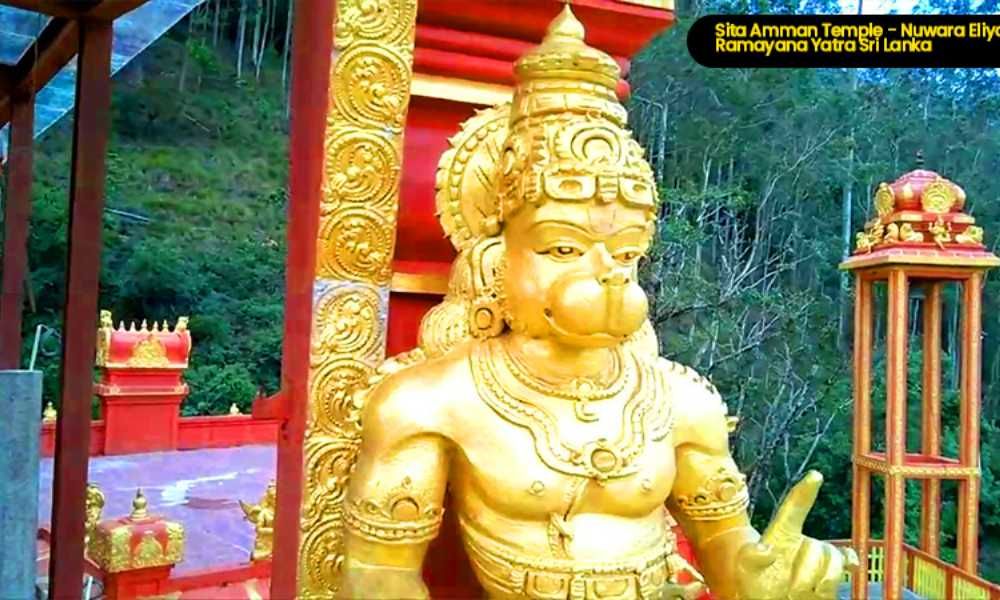
Located Kandy – Nuwara Eliya road on the misty hills of Ramboda, the Shri Bhaktha Hanuman Temple is dedicated to Lord Hanuman, who is believed to have searched for Sita in this region. Managed by the Chinmaya Mission, the temple features a towering 18-foot statue of Hanuman that stands as a beacon of devotion. Important site of Ramayana tour in Sri Lanka.
- Location: Ramboda, Nuwara Eliya
- Nearest City: Nuwara Eliya (30 KM, 45 minutes drive)
- Open – 365 days
- Is this place included in Ramayana Tour packages in Sri Lanka? – Yes
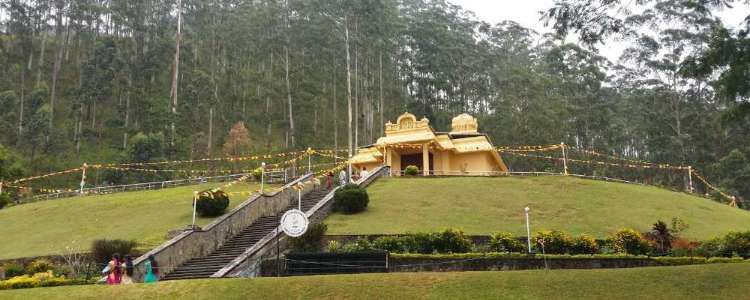
Sita Amman Temple & Ashoka Vatika – Nuwara Eliya
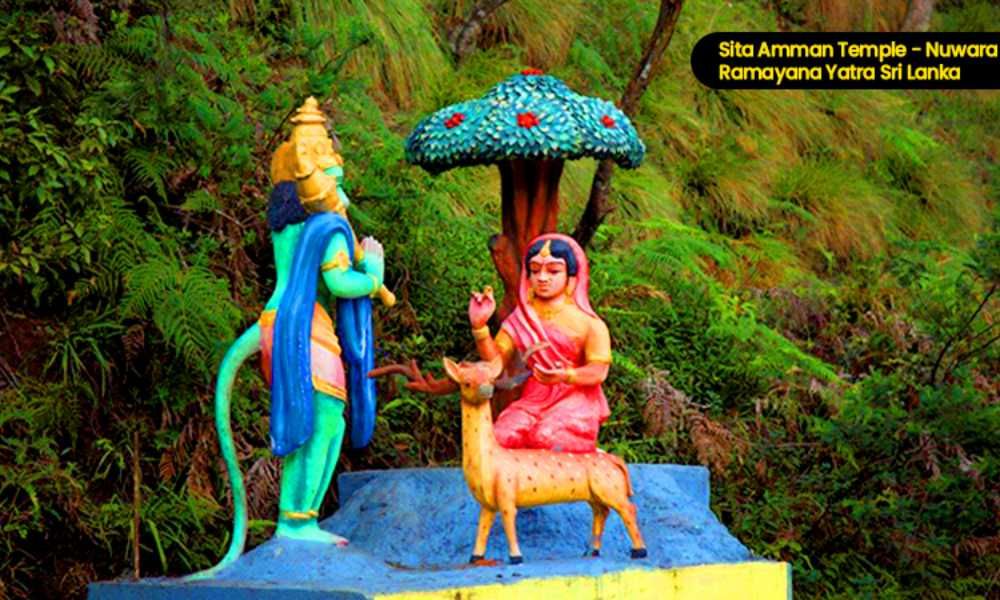
One of the most iconic Ramayana trail related sites in Sri Lanka, the Sita Amman Temple is believed to stand on the very ground where Sita was held captive by King Ravana. This is the only Hindu Temple which dedicated to Goddess Sita Devi in Sri Lanka. Sita Amman Temple is considered to be a part of Asoka Vanam. Legends say Hanuman first met Sita here, handing her Lord Rama’s ring as proof of his arrival. The temple is adorned with colorful murals depicting scenes from the Ramayana, making it a must-visit site for spiritual seekers.
- Location - Nuwara Eliya
- Nearest City - Nuwara Eliya (5 KM, 15 minutes drive)
- Open – 365 days
- Entrance fees – Free
- Is this place included in Ramayana Tour packages in Sri Lanka? – Yes
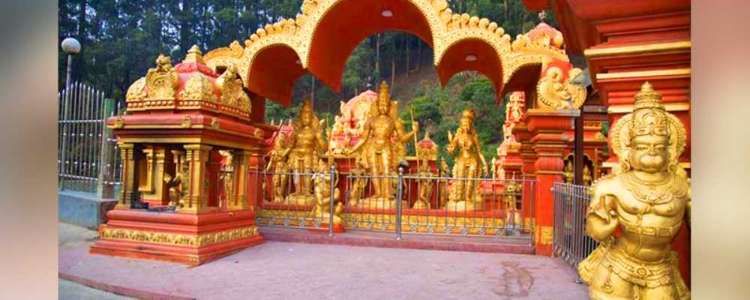
Gayathri Peedam – Nuwara Eliya
Gayathri Peedam is a sacred Hindu shrine in Nuwara Eliya, revered as the place where King Ravana’s son, Indrajit, performed a special ritual to invoke the blessings of Goddess Gayathri before going into battle with Lord Rama. Devotees still come here to perform spiritual rites and prayers. The peaceful surroundings and the temple’s divine aura make it a vital stop during your Sri Lanka Ramayana tour.
- Location - Nuwara Eliya
- Nearest City - Nuwara Eliya (3 KM)
- Open – 365 days
- Is this place included in Ramayana Tour packages in Sri Lanka? – Yes
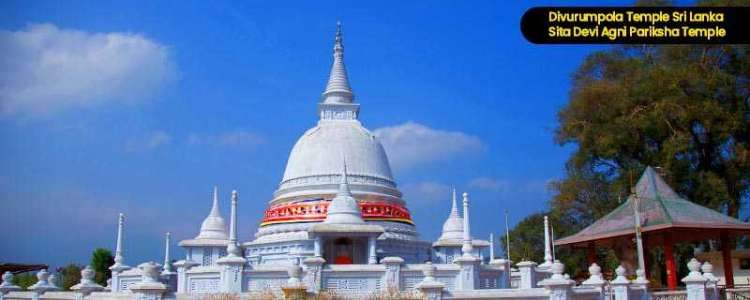
Divrumpola Temple – Nuwara Eliya Ella Road
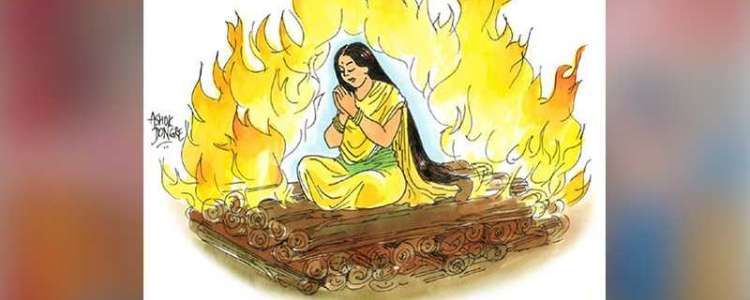
Divrumpola Temple is where Sita is said to have undergone the “Agni Pariksha” (trial by fire) to prove her purity and chastity. Today, the Buddhist temple stands as a serene and sacred site, with locals and devotees paying homage to Sita’s devotion and courage. The temple is also surrounded by beautiful landscapes, making it a spiritual and scenic highlight on the Ramayana trail.
- Location - Nuwara Eliya – Ella Road
- Nearest City - Bandarawela (15 KM, 30 minutes drive)
- Open – 365 days
- Is this place included in Ramayana Tour packages in Sri Lanka? – Yes
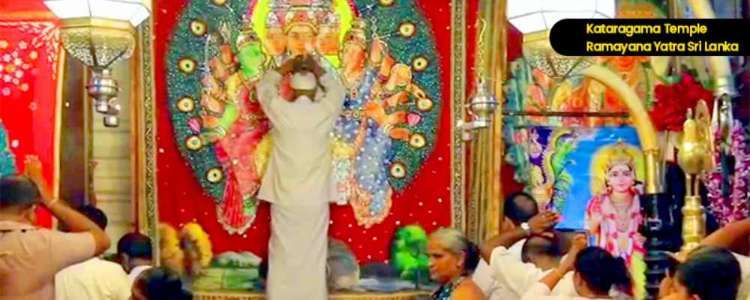
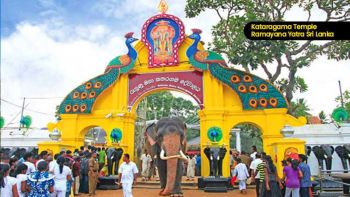
Kataragama Temple – Kataragama
A multi-religious sacred site, Kataragama Temple is venerated by Hindus, Buddhists, and Muslims alike. For Ramayana devotees, This is the temple of Lord Karthikeya Subramaniam at Kataragama. It is believed that Lord Karthikeya, the Senapathi of the Gods was requested. it is believed that Lord Karthikeya, the Senapathi of the Gods was requested by Lord Indra to support Lord Rama. Kataragama is often included in Ramayana Tour packages Sri Lanka for its historical and spiritual significance, as well as its vibrant annual festival.
- Location - Kataragama, Southern Sri Lanka
- Nearest City - Hambantota (47 KM, 1-hour drive)
- Open – 365 days
- Is this place included in Ramayana Tour packages in Sri Lanka? – Yes
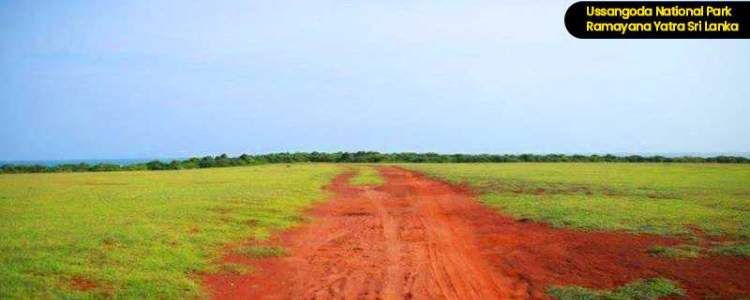
Ussangoda
According to Ramayana, after meeting Sitadevi Lord Hanuman decided to test the strength of the mighty King Ravana and his army of Rakshasas. In the events that unfolded Lord Hanuman’s tail was set on fire by the Rakshasas, who in turn went on to torch some parts of King Ravana’s empire. It is believed that Ussanggoda is one of the torched areas, which is said to have been an airport used by King Ravana.
- Location - Matara Hambantota road
- Nearest City - Hambantota (20 KM, 45 Min drive)
- Open – 365 days
- Is this place included in Ramayana Tour packages in Sri Lanka? – Yes
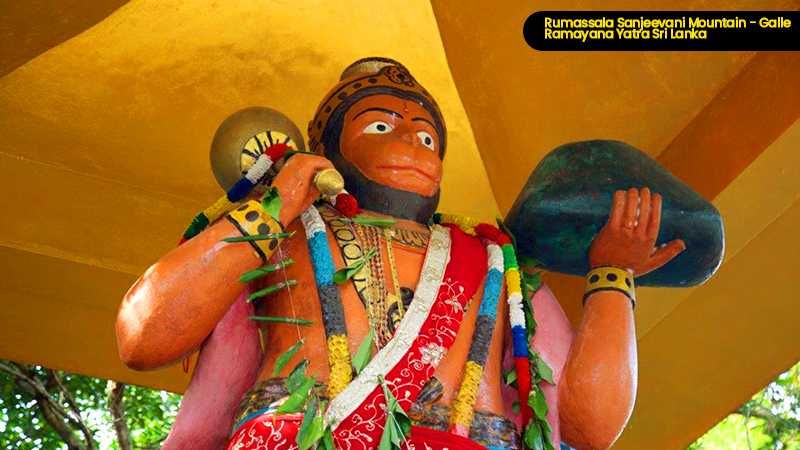
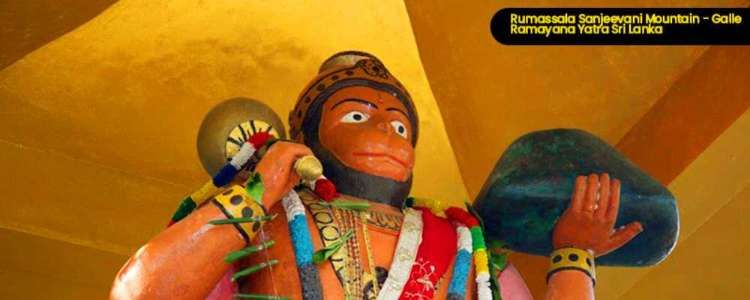
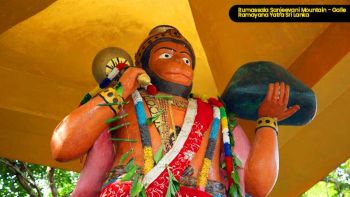
Rummassala Sanjeevani Drops – Galle
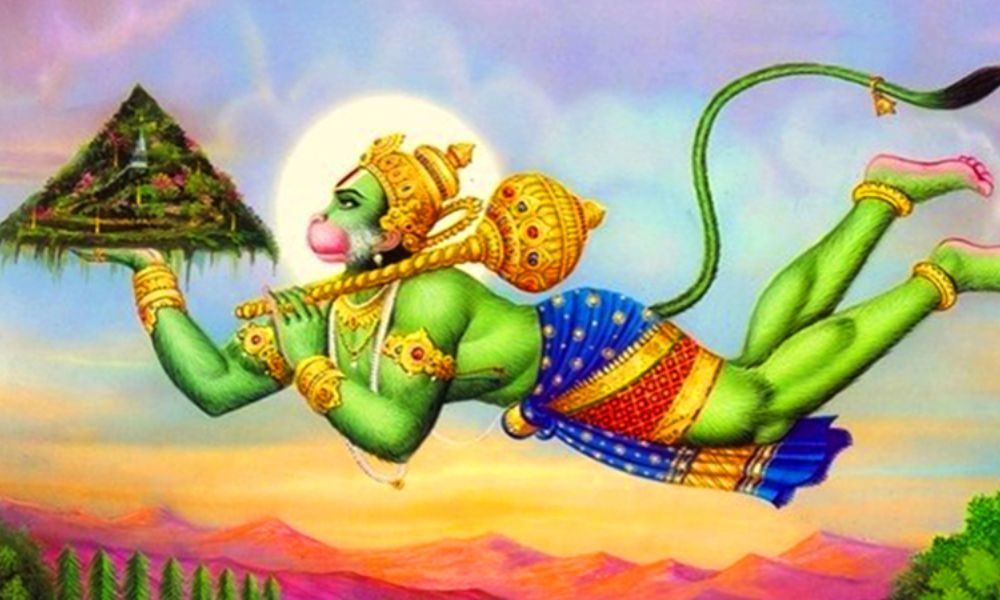
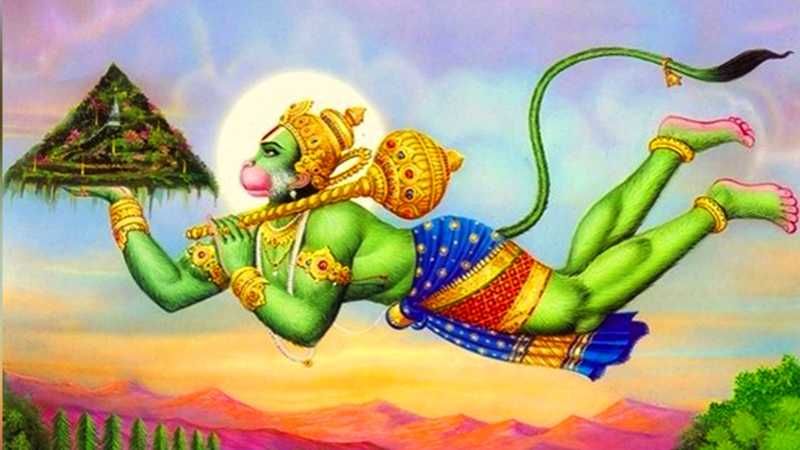
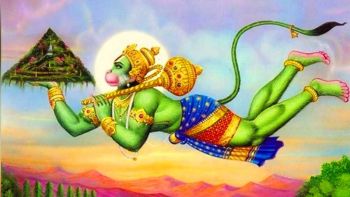
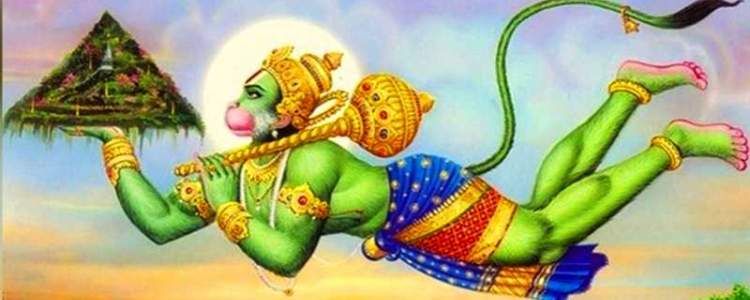
The name derived from the world Ruma and Massala where Ruma is the historical character in Ramayanam – the queen of Vanara Sena and wife of King Sugreeva, while Massala means big rock. This Rock is believed to be one of the pieces of the Sanjeevini mount which was brought by Lord Hanuma in rescue of Lakshmana during. It is believed that parts of the hill fell on five places in Sri Lanka including Rumassala. One of the important Ramayana tour related places in Sri Lanka.
- Location - Galle
- Nearest City – Galle (5 KM, 20 Min drive)
- Open – 365 days
- Is this place included in Ramayana Tour packages in Sri Lanka? – Yes
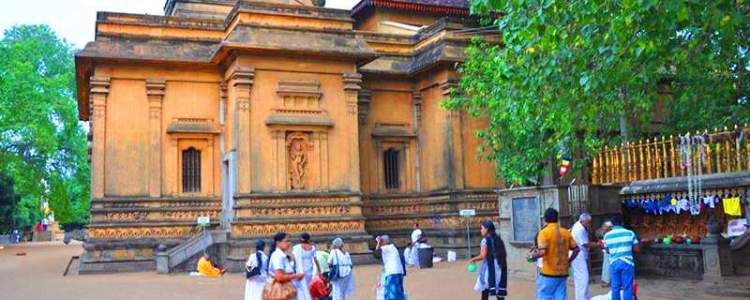
Kelaniya Buddhist Temple – Colombo
This is sacred Buddhist Temple in Sri Lanka while having a connection to Ramayana Trail in Sri Lanka. It is believed that Kelaniya is the place from where King Vibeeshana ruled after being crowned by Lakshmana. Today temples or King Vibeeshana are found throughout Lanka and he is still considered as one of the 4 guardian deities of Sri Lanka.
- Location – Kelaniya, Kandy – Colombo Road
- Nearest City – Colombo (10 KM, 45 Min drive)
- Open – 365 days
- Is this place included in Ramayana Tour packages in Sri Lanka? – Yes
Panchamuga Anjaneyar Temple – Colombo
Panchamuga Anjaneyar Temple considered as the first Anjaneyar Temple in Sri Lanka. Also this Panchamuga Anjaneyar Temple in Sri Lanka which dedicated to Lord Hanuman in his Panchamuga form, meaning five faces. This temple is located Colombo Sri Lanka.
- Location – Kalubowila, Suburb of Colombo
- Nearest City – Colombo (9 KM, 45 Min drive)
- Open – 365 days
- Is this place included in Ramayana Tour packages in Sri Lanka? – Yes
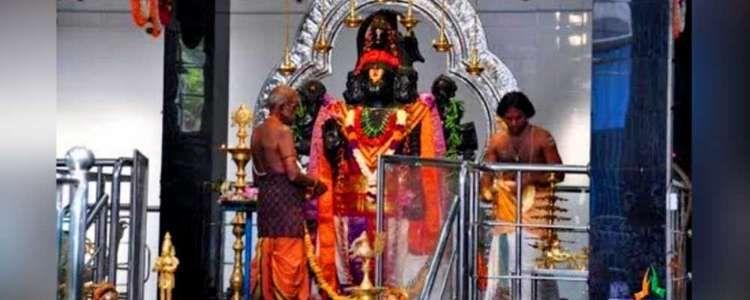
Other Ramayana sites in in Sri Lanka
Apart from above list, following Ramayana tour related sites are also important but please note an additional travel time and effort need to visit. Please contact your travel agent in Sri Lanka if you willing to visit following sites and plan accordingly considering logistics constraints.
- Ram Seta or Nala Setu (Adam’s Bridge) – Mannar
- Thiru Ketheeswaram Temple – Manner
- Yudhaganawa Battlefield – Wasgamuwa National Park
- Sita Kotuwa – Gurulupotha, Hasalaka
- Thotupola Kanda – Horton Plains, Nuwara Eliya
- Chariot Path – Nuwara Eliya
- Dunuvila
- Ravana Cave – Ella
- Ishtripura Cave – Welimada
Ram Seta or Nala Setu (Adam’s Bridge) – Mannar
Ram Seta, also known as Adam’s Bridge, is the legendary causeway built by Lord Rama’s Vanara Sena under Nala’s guidance to reach Lanka and rescue Sita from Ravana. Stretching between India and Sri Lanka, this chain of limestone shoals remains one of the most fascinating Ramayana sites, symbolizing divine engineering and devotion in the epic battle against Ravana.
Please contact your travel agent before you plan this place since its is not possible to go on a boat to see the sand dunes due to security reasons – Still these area under control Sri Lanka Naval Force. But you may see the jetty and the starting place of the Ram Setu from Sri Lankan land.
Thiru Ketheeswaram Temple – Mannar
Thiru Ketheeswaram Temple located in Mannar is one of the Pancha Ishwarams dedicated to Lord Shiva, believed to have been worshipped by King Ravana himself. According to the Ramayana, this sacred shrine was visited by Lord Rama after his victory over Ravana. Important Ramayana site in Sri Lanka.
Yudhaganawa Battlefield – Wasgamuwa National Park
Yudhaganawa, located inside the National Park Wasgamuwa, is believed to be one of the major battlefields where Lord Rama and King Ravana’s forces clashed. “Yuda” means in Sinhala War and “Ganawa or Anganaya” is area or arena. It is believed that the Yudaganawa or Yudaganapitiya is the final battlefield between of King Ravana & King Rama. Still the area is hard / torched, and no cultivation can be developed in this area.
Sita Kotuwa – Gurulupotha, Hasalaka
Sita Kotuwa, meaning “Sita’s Fortress,” is believed to be the place where Queen Mandodari housed Sita after her abduction by Ravana. Sita kotuwa Ramayana tour site nestled in the lush forests of Hasalaka, this archaeological site contains remnants of ancient structures, linking it to the Ramayana’s narrative.
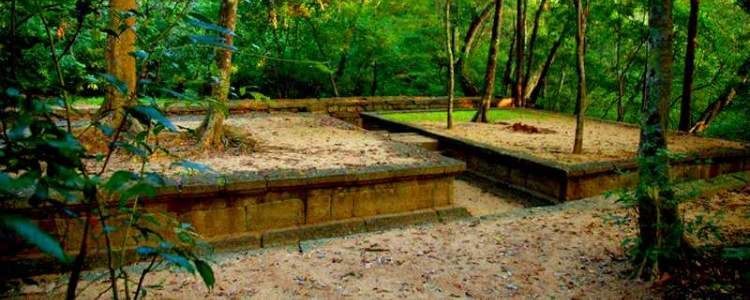
Thotupola Kanda – Horton Plains, Nuwara Eliya
Thotupola Kanda, the third highest mountain in Sri Lanka, is tied to the Ramayana as one of the landing spots of Ravana’s Pushpaka Vimana (aircraft). Legends state that Ravana used this peak during his travels across Lanka. This Ramayana related place is surrounded by the breathtaking Horton Plains National Park, this mystical site connects nature’s beauty with Ramayana mythology, offering both spiritual significance and stunning panoramic views.
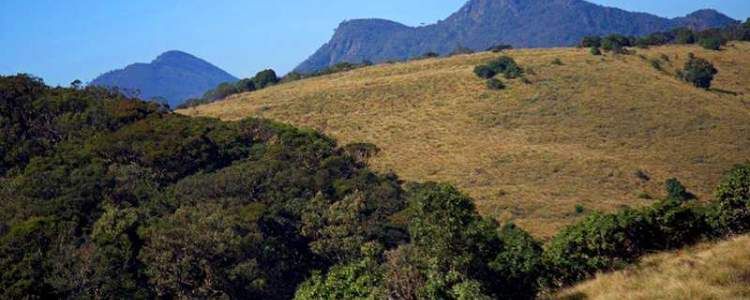
Chariot Path – Nuwara Eliya
The Chariot Path near Nuwara Eliya is believed to be the trail Ravana used to transport Sita in his chariot after her abduction. The grassy plains and secluded landscapes still exude an aura of myth and legend, making it a fascinating Ramayana related site. Devotees visit this highland plateau to retrace the footsteps of Sita’s journey, connecting history, mythology, and scenic beauty.
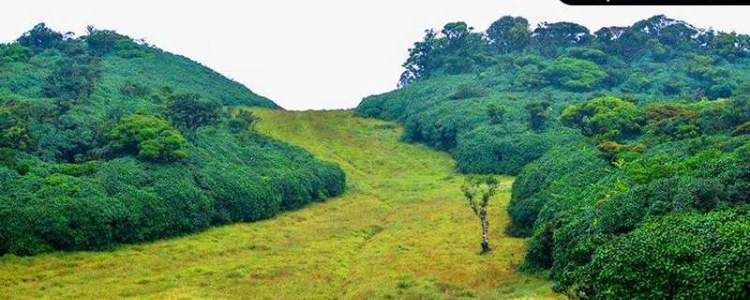
Dunuvila
Dunuvila is said to be the site where Lord Rama aimed his final Brahmastra arrow to kill King Ravana during their decisive battle as per the Ramayana in Lanka Pura. The location is deeply revered as the place where the great war reached its climax, ending Ravana’s reign. Today, Dunuvila remains a sacred reminder of dharma’s victory over adharma, marking it as a significant stop along the Ramayana trail.
Ravana Cave – Ella
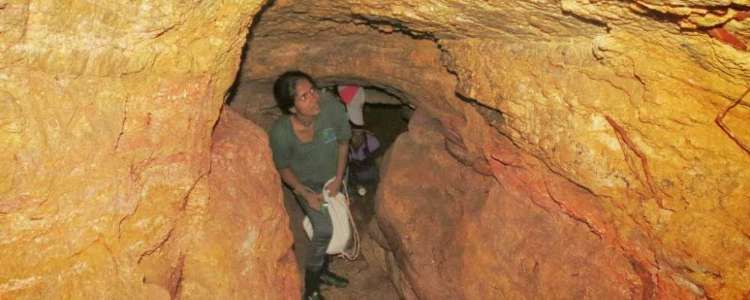
The Ravana Cave in Ella is linked to King Ravana’s secret network of tunnels, believed to have been used to transport Sita while she was held captive. This important Ramayana tour site is situated close to the famous Ravana Falls in Ella. The cave showcases Sri Lanka’s rich mythology intertwined with natural wonders. Visitors explore the dark passages while imagining the epic events of the Ramayana that once unfolded here.
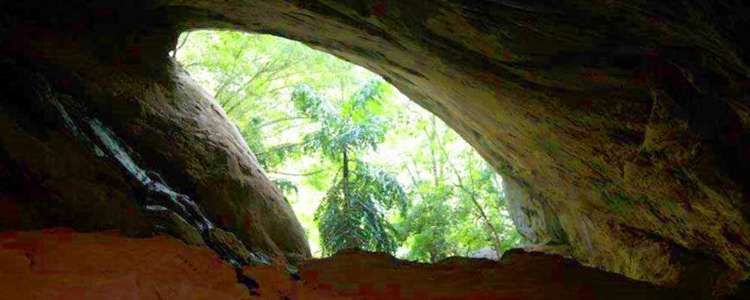
Ishtripura Cave – Welimada
Ishtripura, meaning “City of Women,” is believed to be the shelter where Ravana kept Sita and other captive women. Located near Welimada, the caves carry strong associations with Sita’s captivity and the Ramayana narrative. Istripura Cave located is not possible to visit due to logistics constraints. Please contact your travel agent in Sri Lanka before you plan to visit this Ramayana tour related site.
FAQs
Frequently Asked Questions (FAQs) about Ramayana Sites in Sri Lanka
How many Ramayana tour related sites are there in Sri Lanka?
There are more than 50 Ramayana-related sites identified in Sri Lanka, out of which around 25 are easily accessible for tourists and pilgrims. These include famous temples, caves, battlefields, and scenic landscapes connected to the epic Ramayana.
What is the most important Ramayana site in Sri Lanka?
The Sita Amman Temple and Ashoka Vatika in Nuwara Eliya is considered the most important Ramayana site. It is believed to be the place where Princess Sita was kept captive by King Ravana.
Can I visit all 12 sites above in 7-8 days Ramayana tour package?
Yes, above 12 important sites can be visited in 7-8 days Ramayana Tour.
Which city is the best starting point for a Ramayana tour in Sri Lanka?
Most Ramayana tours begin in Colombo or Negombo since they are closer to the international airport. From there, the journey continues to Chilaw, Trincomalee, Nuwara Eliya, Kataragama, Galle, and back to Colombo.
Is there proof of Ramayana Trail in Sri Lanka?
Many locations in Sri Lanka are strongly linked with the Ramayana through legends, temple inscriptions, and oral traditions. While they may not serve as archaeological proof, they hold deep cultural, historical, and religious significance for devotees.
What is the best time to visit Ramayana sites in Sri Lanka?
There is no specific season for Ramayana Tour in Sri Lanka but December to March and June to September provide pleasant weather for sightseeing and pilgrimage.
Are Ramayana tours in Sri Lanka suitable for families and children?
Yes, Ramayana tours are family-friendly. Many temples and sites are easily accessible, and the journey includes both spiritual and scenic experiences, making it enjoyable for children as well.
How long does a typical Ramayana tour in Sri Lanka take?
A 6 to 8-day itinerary is usually sufficient to cover the main Ramayana sites. Longer tours of 10–12 days can include more remote locations like Mannar, Ella and even Jaffna.
Do I need to pay entrance fees to visit Ramayana sites?
Most temples such as Sita Amman Temple, Manavari Temple, and Munneswaram Temple are free to enter. However, some sites may request donations for temple maintenance.
Can non-Hindus visit Ramayana temples in Sri Lanka?
Yes, non-Hindus are welcome to visit Ramayana sites. While temples are primarily religious places, they are also cultural landmarks that embrace visitors of all faiths, provided they follow modest dress codes and show respect.
Are Ramayana tours in Sri Lanka connected with India’s Ramayana circuit?
Yes, Ramayana tours in Sri Lanka are often combined with Ramayana pilgrimage tours in India, allowing devotees to follow the epic story across both countries.
What should I wear when visiting Ramayana temples in Sri Lanka?
Visitors should wear modest clothing, covering shoulders and knees. Shoes and hats are usually removed before entering temple premises.
Are there luxury Ramayana tours available in Sri Lanka?
Yes, several travel agencies offer luxury Ramayana tour packages with private vehicles, boutique hotels, and personalized temple visits for those seeking a more comfortable spiritual journey.
Is it safe to travel to Ramayana sites in Sri Lanka?
Yes, Sri Lanka is generally safe for travelers. Popular Ramayana sites are well-visited and located in tourist-friendly regions.
How can I plan my tailor make Ramayana tour package in Sri Lanka?
You can book through any approved and recommended travel agency in Sri Lanka or contact Ceylon Expeditions Travels to plan your Ramayana family tour in Sri Lanka.
Can I plan a luxury Ramayana trip with Helicopter transfers?
Yes, possible but need to plan well in advance. Contact your travel agent of Ceylon Expeditions to plan luxury Ramayana Tour in Sri Lanka
Article by – Lalith Dedigama Ceylon Expeditions
Reference to the article - https://www.sltda.gov.lk/storage/common_media/ramayanaya-yathra%20E%20Brochure4096755957.pdf